SAF reduces private jet carbon emissions by up to 80% compared to conventional jet fuel. Available at select airports including Dubai (DWC). Currently costs 2–4x more than standard Jet-A1. UAE is investing in SAF production through Masdar and ADNOC partnerships. Carbon offset programs complement SAF usage.
The private aviation industry faces growing pressure to reduce its carbon footprint. Sustainable Aviation Fuel (SAF) is emerging as the most practical solution — and Dubai is positioning itself as a regional leader in SAF availability. According to IATA, SAF currently represents less than 0.1% of total global jet fuel production, but the industry has set ambitious targets to scale up rapidly. The UAE's Net Zero 2050 strategy, combined with ADNOC and Air bp SAF partnerships and Masdar City green fuel research, positions the Gulf as a future hub for SAF production and distribution. In this guide, we explain exactly what SAF is, how it works, where you can get it, what it costs, and how it fits into the broader sustainability framework for private aviation — including CORSIA (Carbon Offsetting and Reduction Scheme for International Aviation) and voluntary carbon offset programs.
Key Takeaways
- SAF is produced from sustainable feedstocks: waste oils, agricultural residue, municipal waste, or synthetic processes (Power-to-Liquid using green hydrogen + captured CO2)
- Reduces lifecycle carbon emissions by up to 80% compared to conventional Jet-A1 fuel — certified under ASTM D7566 international standard
- Drop-in compatible: SAF blends with standard jet fuel, no aircraft modifications needed. All modern business jets (Challenger 350, Global 6000, G650ER, etc.) are SAF-approved
- Currently approved for blends up to 50% SAF with conventional fuel (100% neat SAF approval expected within 2-3 years)
- Available at select airports: DWC Dubai (Jetex SAF supply), Geneva GVA, London Farnborough FAB (TAG FBO), Paris Le Bourget LBG, Helsinki (Jetex SAF supply)
- Premium pricing: SAF costs 2-4x more than standard Jet-A1 (expected to decrease with scale). A 50% blend on Dubai-London adds approximately $5,000-$10,000 to fuel cost
- Major SAF producers: Neste MY SAF (world's largest producer, Finland), World Energy SAF (US), and growing Middle East production capacity
- UAE Net Zero 2050 strategy includes SAF production targets, with ADNOC/Air bp partnership and Masdar City green fuel research leading development
- CORSIA (Carbon Offsetting and Reduction Scheme for International Aviation) — ICAO's global framework mandating carbon-neutral growth from 2020 baseline, with SAF as a primary compliance pathway
- SAF currently represents less than 0.1% of total global jet fuel production (IATA data), but production capacity is scaling rapidly with multiple new refineries under construction worldwide
- Carbon offset programs complement SAF: cost 1-3% of charter price, fund verified projects (reforestation, renewable energy, methane capture), and are available on every route
Comparison at a Glance
| Approach | CO₂ Reduction | Cost Impact | Availability | Action Required |
|---|---|---|---|---|
| SAF (50% blend) | Up to 40% | +15-30% fuel cost (~$5K-$10K Dubai-London) | DWC, FAB, GVA, LBG, Helsinki | Request at booking |
| SAF (100% neat) | Up to 80% | +50-100% fuel cost | Very limited (Neste, World Energy supply) | Advance arrangement, 2+ weeks |
| Carbon offsets | 100% (compensated) | +1-3% trip cost | Always available, every route | Opt-in at booking |
| Efficient routing | 5-15% | No additional cost | Always | Operator optimizes |
| Newer aircraft | 15-25% | Varies by availability | Fleet dependent | Request modern fleet (Phenom 300E, Challenger 350, G700) |
| CORSIA compliance | Carbon-neutral growth from 2020 baseline | Built into operator costs | ICAO member states | Automatic for compliant operators |
| Electric/hydrogen (future) | Up to 100% | TBD | 2030+ for short-range | Not yet available for charter |
What Is Sustainable Aviation Fuel?
Sustainable Aviation Fuel (SAF) is jet fuel produced from sustainable sources rather than crude oil. The resulting fuel is chemically similar to conventional Jet-A1 and can be used in any modern jet engine without modification — this is what the industry calls a "drop-in" fuel. SAF is certified under the ASTM D7566 international standard, which ensures it meets the same rigorous performance, safety, and quality specifications as conventional jet fuel.
SAF can be produced from a variety of feedstocks, each with different lifecycle carbon reduction profiles. The most common feedstocks include used cooking oil (UCO), animal fats and waste greases, agricultural residue (corn stover, wheat straw), municipal solid waste, forestry waste, and purpose-grown energy crops. A newer and more promising pathway is Power-to-Liquid (PtL), which combines green hydrogen (produced from renewable electricity via electrolysis) with captured CO2 to synthesize jet fuel — this approach has the potential for near-100% lifecycle carbon reduction but is currently the most expensive production method.
How SAF Reduces Emissions
SAF reduces lifecycle carbon emissions by up to 80% compared to conventional Jet-A1. The key word is "lifecycle" — the carbon reduction comes from the fact that the feedstock absorbed CO2 from the atmosphere during its growth or existence (in the case of waste oils, the crops that produced the oil absorbed CO2). When the SAF is burned in the engine, it releases CO2, but this is carbon that was already in the atmospheric cycle rather than fossil carbon extracted from underground petroleum reserves. The exact reduction percentage depends on the feedstock and production process: waste-oil-based SAF (like Neste MY SAF) typically achieves 75-80% reduction, while Power-to-Liquid SAF can theoretically achieve 90-100%.
Currently, SAF is approved for blending up to 50% with conventional Jet-A1 fuel. This means a 50% SAF blend delivers approximately 40% lifecycle carbon reduction. Work is underway to certify 100% neat SAF for all aircraft types — several manufacturers have already completed successful test flights on 100% SAF, and industry-wide approval is expected within 2-3 years.
Major SAF Producers
The SAF market is dominated by a handful of major producers. Neste, headquartered in Finland, is the world's largest SAF producer with its Neste MY Sustainable Aviation Fuel brand. Neste produces SAF from waste and residue raw materials at refineries in Porvoo (Finland), Rotterdam (Netherlands), and Singapore, with total SAF production capacity exceeding 1.5 million tonnes per year. World Energy, based in California, operates the world's first dedicated SAF refinery in Paramount, California, and supplies SAF to airports across the Western United States. Other significant producers include TotalEnergies (France), SkyNRG (Netherlands), and several emerging producers in the Middle East.
SAF Availability in the Middle East
Dubai is actively positioning itself as the regional leader in SAF availability. Jetex has established SAF supply at its Dubai DWC Al Maktoum FBO, making it one of the first private aviation operators in the Gulf to offer SAF to charter and managed-aircraft clients. Jetex has also established SAF availability at its Helsinki FBO, providing a green fuel option on the popular Dubai-Nordic route.
The UAE's national energy strategy and Net Zero 2050 commitment include significant investment in SAF production capacity. The ADNOC and Air bp partnership is developing SAF supply chains within the UAE, leveraging ADNOC's refining infrastructure and Air bp's global fuel distribution network. Masdar City, Abu Dhabi's clean energy research hub, is conducting research into green fuel production technologies, including Power-to-Liquid pathways that could produce SAF using the UAE's abundant solar energy to generate green hydrogen. These investments are expected to transform the UAE from an SAF importer to a significant SAF producer and exporter within the next decade.
SAF Availability at Key Global FBOs
For Dubai-based charter clients, SAF is increasingly available at major destination airports. London Farnborough (FAB) offers SAF through TAG Aviation's FBO — and since Farnborough is a dedicated business aviation airport handling over 10,000 movements per year, SAF demand is concentrated among private jet operators. Geneva (GVA) offers SAF through ExecuJet and TAG FBOs. Paris Le Bourget (LBG), Europe's busiest private aviation airport, provides SAF through Dassault Falcon Service and Universal Aviation. Nice (NCE) has SAF available through Swissport Executive. In the US, SAF is available at major private aviation airports including Teterboro (NJ), Van Nuys (CA), and San Francisco (SFO).
CORSIA: The Global Regulatory Framework
CORSIA — the Carbon Offsetting and Reduction Scheme for International Aviation — is ICAO's (International Civil Aviation Organization) global framework for managing aviation emissions. CORSIA requires airlines and operators to offset emissions growth above 2020 baseline levels for international flights. SAF is one of the primary compliance pathways under CORSIA: operators who purchase and use SAF receive emission reduction credits that count toward their CORSIA obligations. While CORSIA primarily applies to commercial aviation, many private jet operators voluntarily comply with CORSIA standards as part of their corporate sustainability commitments. Understanding CORSIA is important because it is driving investment in SAF production capacity worldwide, which will eventually bring prices down for all aviation users, including charter clients.
Carbon Offset Programs
For routes where SAF is not yet available — or as a complement to SAF usage — carbon offset programs provide an alternative pathway to address flight emissions. These programs fund verified environmental projects that reduce or remove CO2 from the atmosphere: reforestation and afforestation projects, renewable energy installations (wind, solar) in developing countries, methane capture from landfills and agricultural operations, direct air capture (DAC) technology, and clean cookstove distribution programs.
The cost of carbon offsets is typically 1-3% of your total charter price. For a Dubai-to-London heavy jet charter at $65,000, carbon offsets would add approximately $650-$1,950 — a relatively modest cost for complete emission compensation. At RentJet, we offer carbon offset programs on every booking through verified standards (Gold Standard and Verra VCS). Clients receive a certificate detailing the exact emissions offset and the specific project funded.
The Future of Green Private Aviation
Beyond SAF, the private aviation industry is exploring several longer-term sustainability pathways. Electric aircraft are in development for short-range flights (under 500nm) — companies like Eviation and Heart Aerospace are building all-electric aircraft that could serve regional routes by 2030. Hydrogen-powered aircraft are being developed for medium-range flights, with Airbus's ZEROe program targeting entry into service in the 2035 timeframe. For long-range private aviation (the majority of Dubai charter operations), SAF remains the most practical near-term solution, with continuous improvement in production scale and cost reduction expected throughout the decade.
At RentJet, we are committed to offering every client a pathway to reduce their flight's environmental impact. Whether through SAF at departure (available at Dubai DWC), SAF at destination (available at Farnborough, Geneva, Le Bourget, and more), carbon offset programs, or selecting newer, more fuel-efficient aircraft (Phenom 300E, Challenger 350, G700), we help you make informed sustainability choices without compromising your travel experience.
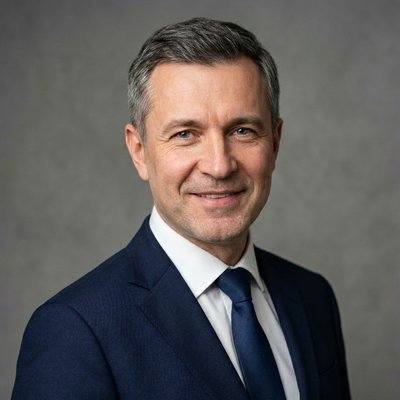
“We're seeing a clear shift — about 20% of our European clients now ask about SAF or carbon offsets at the time of booking. It's no longer a niche request from environmental advocates; it's becoming a standard consideration for corporate travel managers, family offices, and UHNW individuals who want to align their travel with their sustainability values. The UAE's investment in SAF production through ADNOC, Air bp, and Masdar will make it significantly more accessible and affordable within the next 3-5 years. Jetex already offers SAF at their Dubai and Helsinki FBOs, and we expect supply at major European hubs to grow substantially. For now, we offer carbon offset programs on every booking and SAF on routes where it's available — and we're transparent about the actual emission reduction each option delivers so clients can make informed decisions.”
Frequently Asked Questions
Does SAF affect aircraft performance?
No. SAF is a drop-in replacement certified under ASTM D7566 that meets the same specifications as conventional Jet-A1. It burns identically and has no impact on range, speed, engine performance, or maintenance intervals. Every modern business jet — from the Phenom 300E to the Global 7500 and G650ER — is approved for SAF blends up to 50%. Several manufacturers have completed test flights on 100% neat SAF with no performance differences.
Can I request SAF for my private jet charter?
Yes, inform your charter broker at the time of booking. SAF availability depends on the departure airport and requires advance coordination with the fuel supplier. Airports with confirmed SAF availability include Dubai DWC (Jetex supply), London Farnborough FAB (TAG FBO), Geneva GVA, Paris Le Bourget LBG, Helsinki (Jetex supply), and major US airports including Teterboro and Van Nuys. We recommend requesting SAF at least 48-72 hours before departure to ensure supply is arranged.
How much more does SAF cost?
SAF currently costs 2-4 times more than conventional Jet-A1, though prices vary by supplier and location. For a typical heavy jet flight (e.g., Dubai to London on a Global 6000), using a 50% SAF blend adds approximately $5,000-$10,000 to the fuel cost. For a light jet GCC hop (e.g., Dubai to Doha on a Phenom 300E), the SAF premium would be approximately $500-$1,500. Prices are expected to decrease significantly as production scales — Neste and World Energy are both expanding capacity.
Is carbon offsetting as effective as SAF?
Both have value but work differently. SAF directly reduces the lifecycle emissions produced by your flight at the source — the fuel itself has a lower carbon intensity. Carbon offsets compensate by funding emission-reduction projects elsewhere (reforestation, renewable energy, methane capture). SAF is generally considered the stronger solution because it reduces actual emissions rather than compensating for them. However, offsets are more widely available (every route, every airport), more affordable (1-3% of trip cost), and can be combined with SAF for maximum impact.
What is CORSIA and does it apply to private jets?
CORSIA (Carbon Offsetting and Reduction Scheme for International Aviation) is ICAO's global framework requiring operators to offset emissions growth above 2020 baseline levels. CORSIA primarily targets commercial aviation, but many private jet operators voluntarily comply. SAF usage counts as a compliance mechanism under CORSIA — operators who uplift SAF receive emission reduction credits. As a charter client, CORSIA indirectly benefits you by driving investment in SAF production capacity, which will bring down SAF prices over time.
What is the UAE doing about SAF production?
The UAE has committed to Net Zero 2050 and is actively investing in SAF production infrastructure. The ADNOC/Air bp partnership is developing SAF supply chains leveraging ADNOC's refining capacity. Masdar City in Abu Dhabi is researching Power-to-Liquid SAF production using solar-generated green hydrogen. Jetex has already established SAF supply at its Dubai DWC FBO. The UAE aims to become both a consumer and exporter of SAF, leveraging its position as a global aviation hub and its abundant solar energy resources.
Who are the major SAF producers?
The leading SAF producer is Neste (Finland), which manufactures Neste MY SAF from waste and residue feedstocks with production capacity exceeding 1.5 million tonnes per year at refineries in Finland, Netherlands, and Singapore. World Energy operates the first dedicated SAF refinery in the US (Paramount, California). Other major producers include TotalEnergies (France), SkyNRG (Netherlands), and several emerging producers. Production capacity is growing rapidly, with multiple new refineries under construction globally.
James Mitchell
James Mitchell has over 12 years of experience in private aviation, specializing in charter operations across the Middle East, Europe, and Asia. Based in Dubai, he oversees route planning and fleet coordination for RentJet, ensuring clients receive the most efficient and luxurious travel solutions.